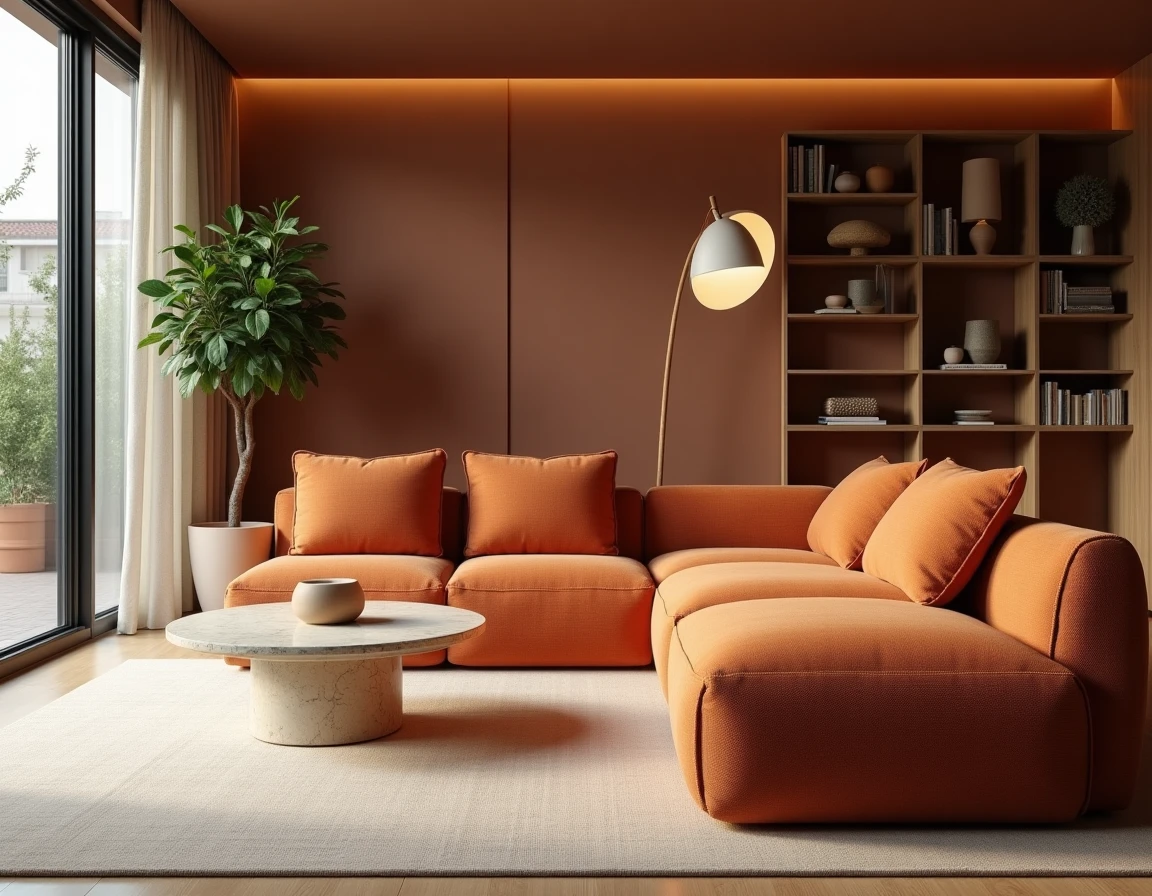
The housing market in 2026 is refocusing on concrete concerns: acoustic comfort, room modularity, low-processed materials, and technology that blends into the decor. Decor trends and smart home innovations are moving in the same direction, towards a habitat that adapts to real uses rather than technical demonstrations. This overview highlights the most significant changes of the year.
Acoustic comfort in housing: a blind spot that is becoming a priority
Open spaces have become the norm in interior design for about a decade. Open kitchen to the living room, office integrated into the living room, children’s bedroom adjacent to the living space: the promise of fluidity has come with a problem that few brands have addressed until now. Noise travels, and the coexistence of uses (video conferencing, gaming, cooking) generates daily tensions.
In 2026, according to Venidom, acoustic comfort is becoming a priority in design, with custom furniture designed to also serve as sound barriers in open spaces. Tall bookshelves, removable textile partitions, sound-absorbing wall panels integrated into furniture: the solution lies in design as much as in technical insulation.
This angle remains underrepresented in general content that covers home news on Infos du Jour, where smart home technology and decoration occupy most of the attention. The treatment of sound in housing deserves an equivalent place to that of light or temperature.
Low-processed sustainable materials: solid wood, natural stone, and terrazzo
The trendy materials in 2026 are not necessarily new. Solid wood, natural stone, large-format terrazzo, and natural textiles are making a strong comeback, but with an additional criterion: the level of industrial processing is becoming a deciding factor. The less a material undergoes chemical processes, the more attractive it becomes to buyers and specifiers.
This orientation goes beyond simple aesthetic preference. It aligns with concerns related to indoor air quality and the carbon footprint of finishing products. A locally sourced solid wood floor does not emit the same volatile compounds as an imported laminate. A natural stone countertop ages differently than a resin composite.
The available data does not yet allow for precise measurement of the market share of these materials compared to industrial alternatives. Field feedback varies on this point, particularly because the higher upfront cost hinders adoption in collective new builds, where finishing budgets remain constrained.
Colors that accompany the return to raw materials
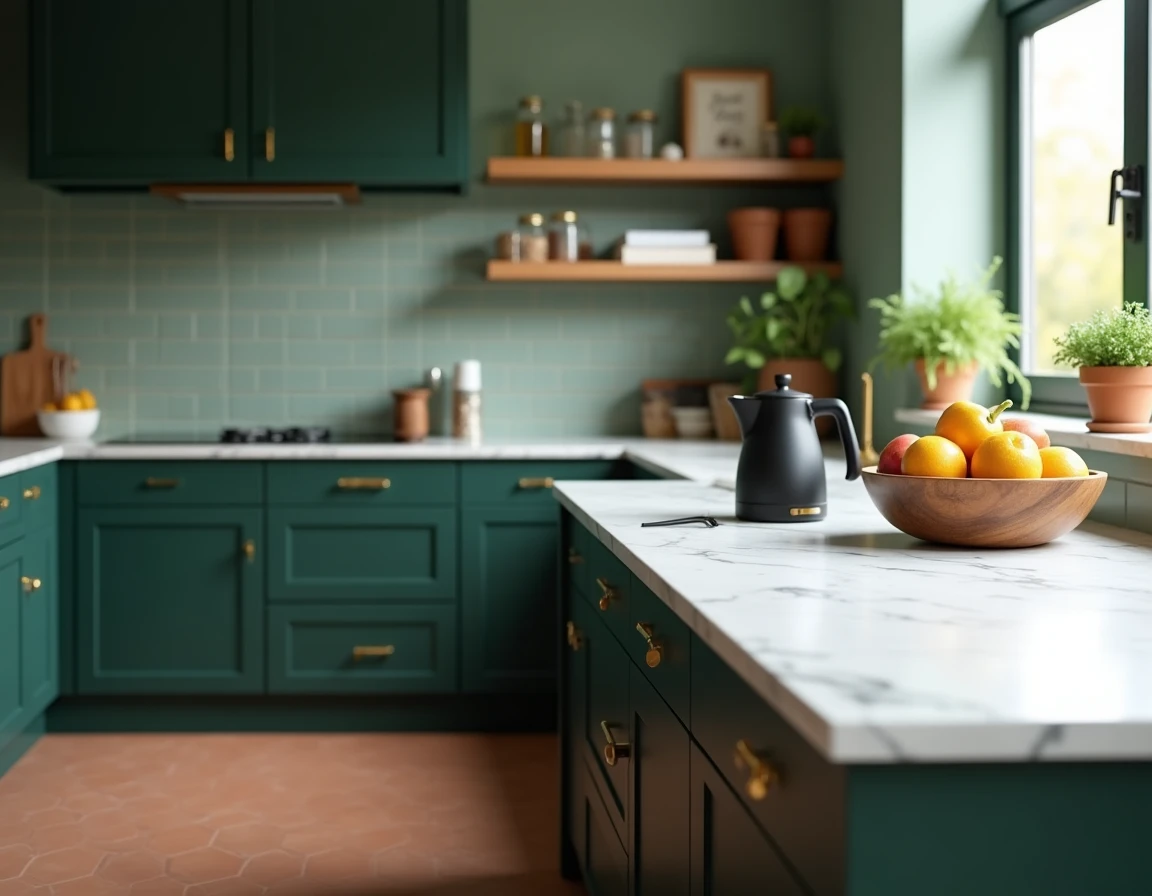
In terms of palette, earthy tones (terracotta, ochre, sage green) remain dominant. They naturally pair with minimally processed materials. Adaptive lighting, controlled by smart sensors, allows for modulation of the perception of these colors according to the time of day and the use of the room.
Space modularity: rooms that change function throughout the day
Modularity is not a new concept, but in 2026 it takes on a structural dimension linked to hybrid uses. Partial remote work, home physical activity, occasional hosting of an elderly parent: the same room must be able to change function multiple times a day.
The solutions identified by Venidom involve foldable furniture, acoustic sliding partitions, and lighting systems capable of changing the ambiance in seconds. The common feature of these devices: they do not require heavy renovations and integrate into existing setups.
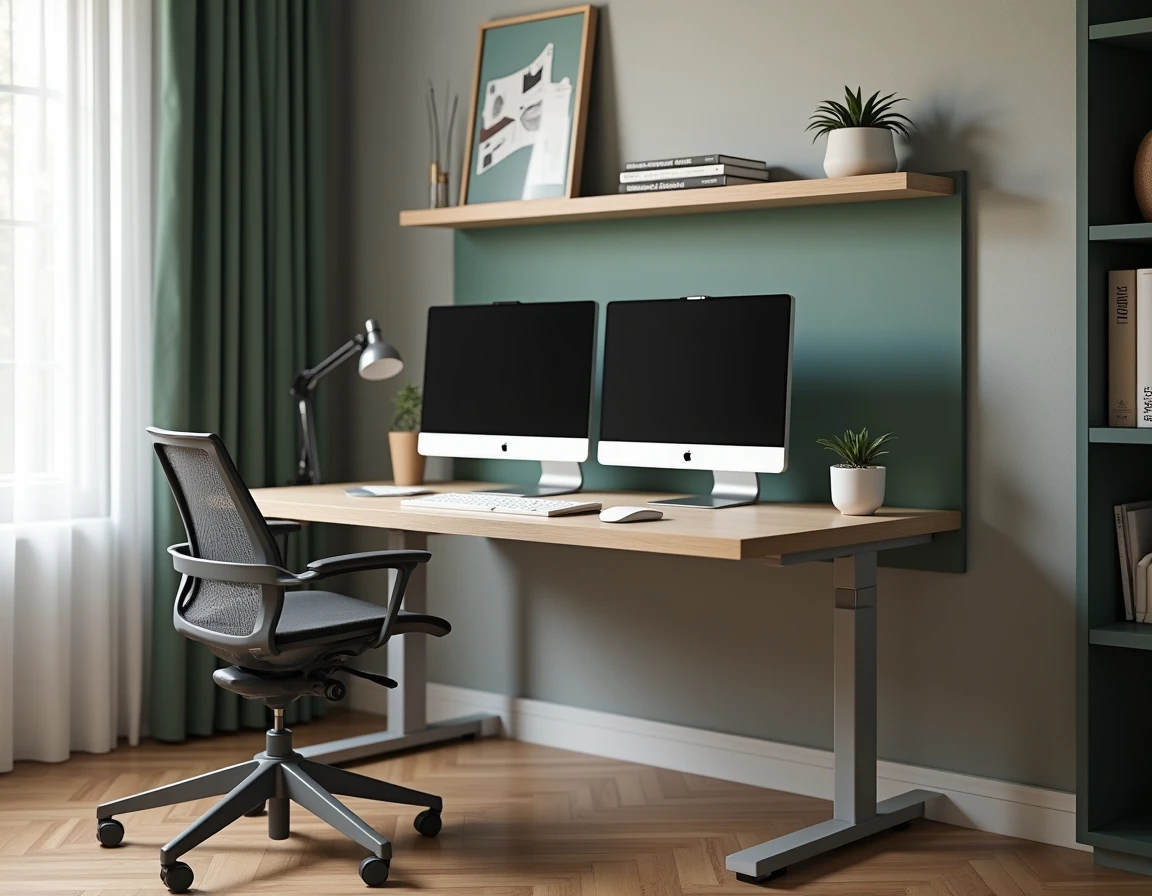
- Folding desks integrated into bookshelves, freeing up space in the evening for use as a living room or guest bedroom
- Sliding partitions with sound absorption, allowing for the creation of a temporary closed space without altering the permanent layout
- Adaptive lighting systems that adjust color temperature and intensity based on the programmed usage scenario
The main limitation lies in the housing itself. In small apartments, modularity faces physical constraints (water supply, ventilation, access to natural light) that furniture alone cannot resolve.
Invisible technology and connected energy renovation
SERP competitors extensively cover smart home technology from the perspective of voice assistants, smart thermostats, and security systems. In 2026, the most striking trend lies elsewhere: technology is tending to visually disappear while gaining efficiency.
Air quality detectors integrated into ceilings, invisible humidity sensors in walls, connected appliances with interfaces limited to a discreet mobile app: the goal is no longer to showcase technology but to make it imperceptible. Connected devices operate in the background, collecting data on energy consumption and adjusting parameters without manual intervention.
Data-driven energy renovation
Energy renovation now incorporates connected monitoring tools that allow for measuring the real impact of work after completion. According to DBM Énergie, connected homes are changing the game in renovation in 2026, providing precise feedback on the savings generated by each component (insulation, ventilation, heating).
This data-driven approach allows for identifying residual losses and prioritizing complementary interventions. However, it requires an initial investment in sensors and a home network infrastructure that not all households are ready to finance.
- Temperature and humidity sensors distributed in each room to map thermal bridges
- Real-time monitoring of consumption by component (heating, hot water, lighting) via a centralized app
- Automatic alerts in case of abnormal overconsumption or equipment malfunction
The news in housing in 2026 is characterized by a common thread: the search for technical sobriety in the service of real comfort. The most promising innovations are not those that add screens or controls, but those that solve concrete problems (noise, waste, rigidity of spaces) without complicating daily life. The challenge remains their financial accessibility, which will determine their adoption beyond high-end projects.