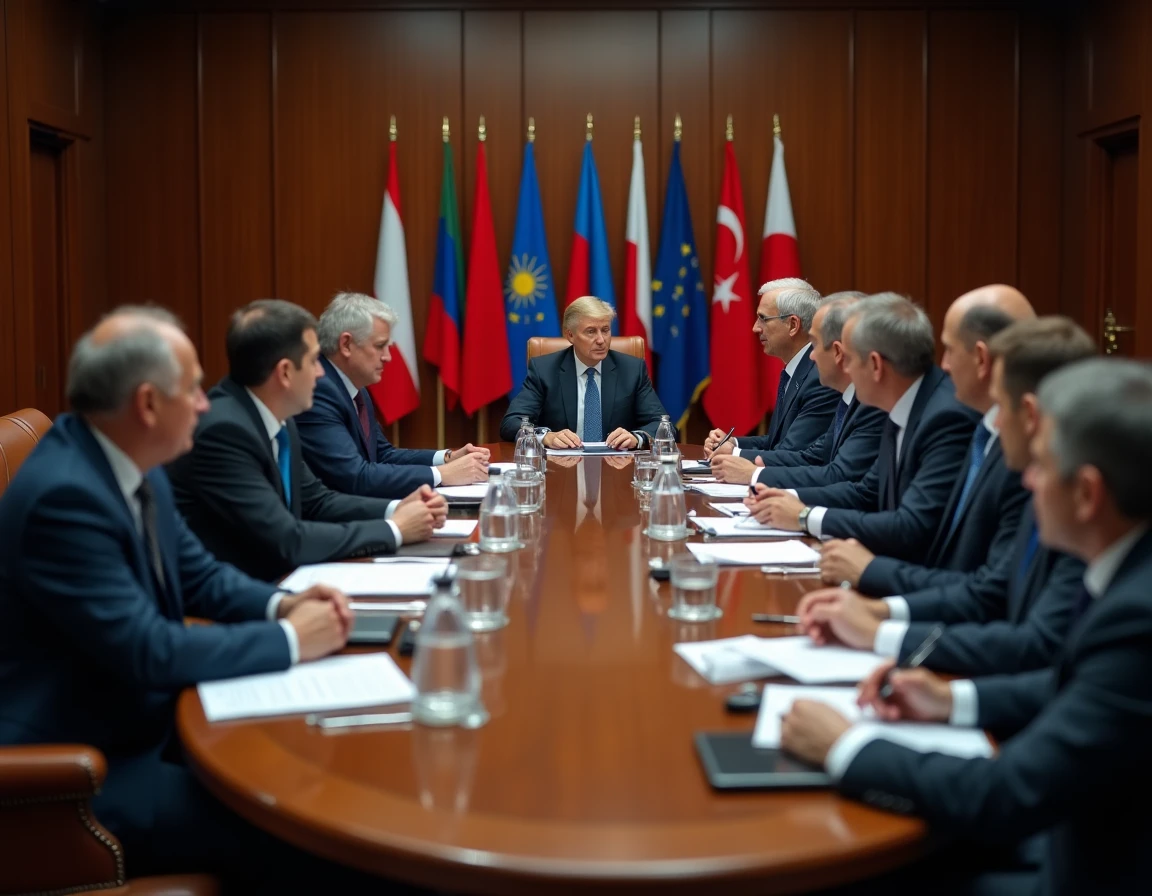
The Commonwealth of Independent States (CIS) brings together several former Soviet republics, mainly in Central Asia and the Caucasus. For France, this area represents a rapidly changing exchange landscape, where commercial and diplomatic logics have been reconfigured since the war in Ukraine. The year 2026 is shaping up to be a pivotal moment for cooperation between Paris and these capitals, which are often unknown to the general French public.
Central Asia and France: An Evolving Economic Cooperation
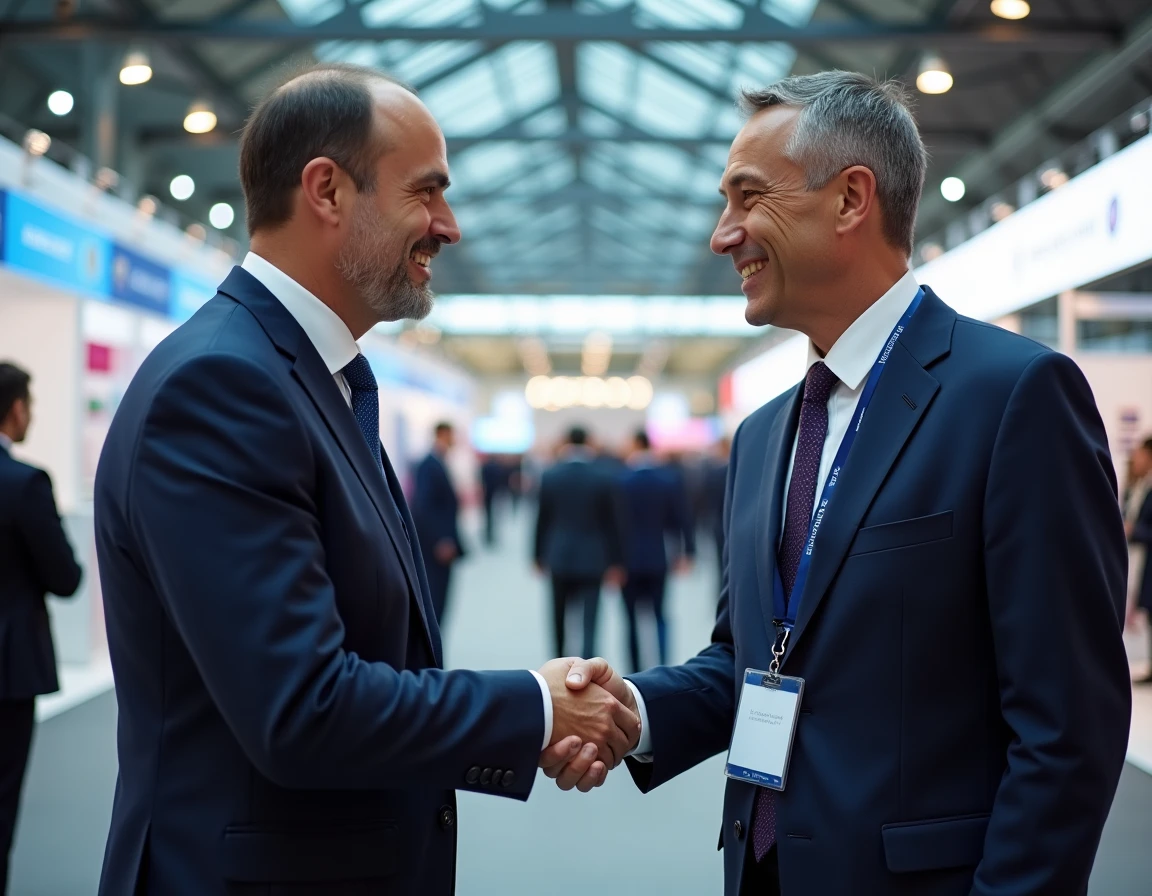
Since late 2023, the French Ministry of Europe and Foreign Affairs has increased its trips to Central Asia, particularly to Kazakhstan and Uzbekistan. The new development lies in the composition of the delegations: representatives from the energy, agro-industry, and transport sectors now systematically accompany ministerial missions.
This thematic shift marks a break from the 2010s, when cooperation often focused solely on defense and culture. Exchanges now cover concrete topics: hydrocarbon supply, fertilizers, and strategic metals. Analyzing the relations between France and the CIS requires measuring this shift towards an industrial partnership logic.
Kazakhstan, the largest economy in Central Asia by GDP, concentrates a significant share of these flows. Uzbekistan, with its dynamic demographics, attracts French companies focused on infrastructure and agri-food.
Reorientation of Trade Flows within the CIS: What France Gains

The war in Ukraine has led to a partial reorientation of trade for several CIS countries away from the Russian sphere. Recent data from Eurostat shows a marked increase in exports from Central Asia to the European Union. France is among the member states that are increasing their imports of strategic raw materials, particularly from Kazakhstan.
This dynamic is not coincidental. Central Asian countries are seeking to diversify their partners to reduce their dependence on Russia. For France, this presents an opportunity for resources that were previously captured by Russian circuits.
Three sectors are drawing attention:
- Energy, with Kazakh hydrocarbons and the potential for renewable energy in Uzbekistan, where France has recognized expertise in solar and wind.
- Rare metals and fertilizers, for which European supply still largely depends on Russian or Belarusian suppliers, and for which Central Asia offers credible alternatives.
- Transport infrastructure, particularly logistical corridors bypassing Russian territory, where several French companies are already positioning themselves.
French Diplomacy in the CIS: Between Strategic Visits and Geopolitical Constraints
The resumption of French ministerial visits to the CIS is not without tensions. Russia remains the founding member and heavyweight of this organization. Any French initiative in the region is closely monitored in Moscow, which views Central Asia as its historical sphere of influence.
France is therefore proceeding with caution, favoring bilateral formats over multilateral frameworks where Russia has a say. Meetings between the French president and Kazakh or Uzbek leaders have taken place on the sidelines of international summits, without direct confrontation with Russian interests.
This approach has its limits. By avoiding contentious issues with Moscow, Paris reduces its maneuvering space on security matters (counter-terrorism, Afghan stability) where cooperation with Russia remains crucial for CIS countries.
Prospects for France-CIS Exchanges in 2026: Key Issues to Watch
Several factors will determine the intensity of Franco-CIS exchanges in the coming months. The first concerns the evolution of the conflict in Ukraine. A ceasefire, even partial, could alter energy and raw material supply chains, with direct consequences for flows between France and Central Asia.
The second factor relates to the ability of French companies to establish a sustainable presence in markets where Chinese and Turkish competition is strong. French groups present in Kazakhstan primarily operate in energy, but diversification into agro-industry and digital remains in its infancy.
The third factor is regulatory. European sanctions against Russia have created a complex legal framework for exchanges with CIS countries, some of which serve as transit points for goods destined for the Russian market. Compliance with sanction regimes conditions French companies’ access to these markets, under threat of prosecution.
The year 2026 could also see the finalization of new bilateral agreements between France and Kyrgyzstan, a country where French ministerial visits have recently intensified. The mining sector and renewable energies are among the priority themes of these discussions.
The relationship between France and the CIS is now being built on commercial and industrial foundations, far from mere cultural or diplomatic exchanges. The negotiations of 2026 will focus less on grand principles and more on the concrete ability of economic actors to transform political signals into contracts.