The hippie style of the 70s is gaining increasing prominence in the collections presented for 2026, from Parisian runways to ready-to-wear brands. This resurgence is not limited to a simple recycling of floral prints or flared pants. It is set against a backdrop where textile production rules are evolving in Europe, and fashion houses are reinterpreting the seventies heritage with more urban and structured codes than at the time.
Suede boots and luxurious silhouettes: the hippie style on the 2026 runways
The return of the 70s style in 2026 starts from the feet. For the autumn-winter 2026 collections, soft or high suede boots, as well as zebra or snake print models, have been observed at Chloé, Chanel, Balenciaga, and Isabel Marant. The choice of these houses positions the hippie wardrobe far from festival folklore.
This shift is significant. In the original 70s, suede boots accompanied loose, casual outfits worn in a communal spirit. In 2026, the hippie style is associated with urban and luxurious silhouettes. The materials remain similar (suede, soft leather), but the cuts are more fitted, and the combinations are more refined.
As detailed in the fashion article on Magmoiselle, this trend goes beyond a simple retro nod to establish itself firmly in wardrobes. Designers are not reproducing the seventies: they are extracting elements (volumes, textures, earthy palette) that they integrate into contemporary proposals.
Colors and natural materials: the seventies palette revisited for the 2026 season
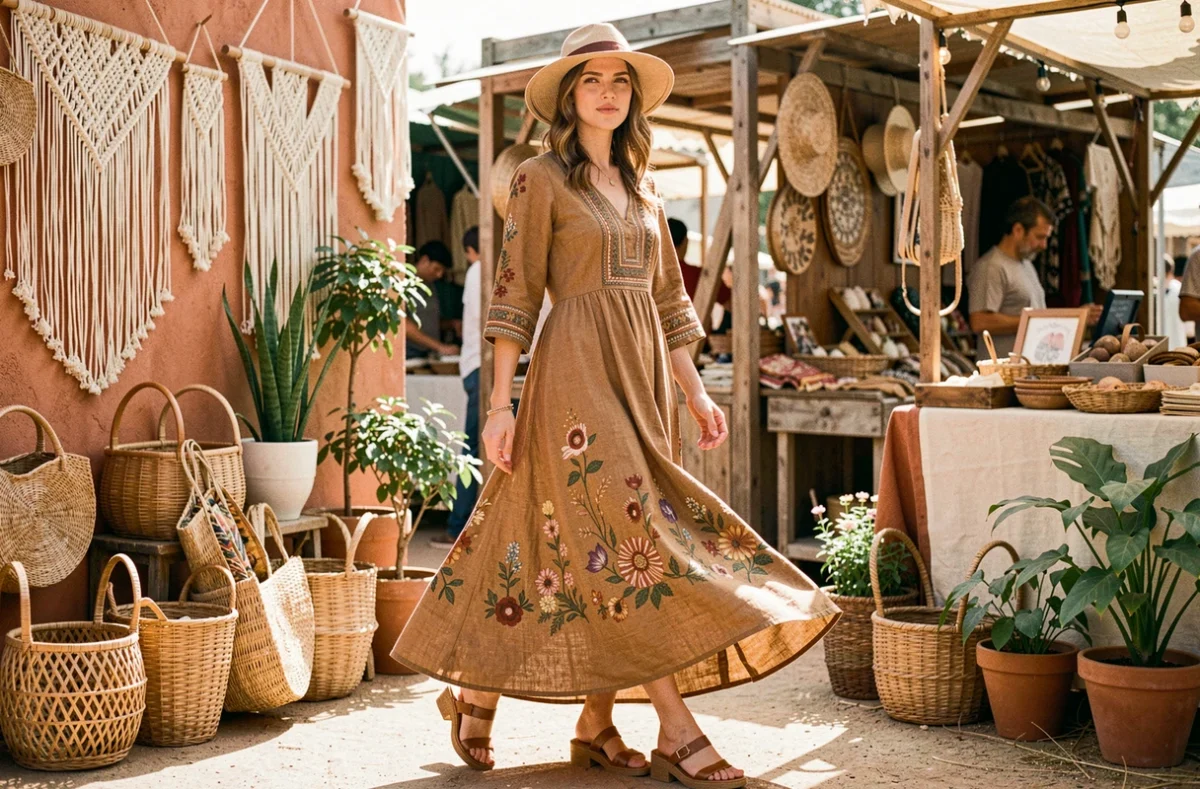
The color palette dominating this trend moves away from the saturated hues of disco. We find warm tones – burnt orange, khaki green, earthy brown, ochre – that evoke the more bohemian side of the decade. These colors work well in autumn-winter as well as in spring, which explains their adoption by a wide range of brands.
In terms of materials, linen, thick cotton, and viscose are making a strong comeback. Crochet, absent from runways for years, reappears on tops, bags, and even long dresses. Natural and artisanal materials carry the essence of the hippie identity of 2026.
Graphic and geometric prints complete the picture. Waves, concentric circles, reinterpreted paisley patterns: these visual elements immediately identify the seventies reference without falling into historical recreation.
European regulation on textile eco-design: what changes for retro style
The return of the hippie style coincides with a regulatory transformation that could alter how these pieces are produced and sold. The European regulation on the eco-design of sustainable products has designated textiles and clothing as a priority group in its 2025-2030 work plan.
A specific act for textiles is expected to be indicative in 2027. It could regulate information on composition, origin, manufacturing processes, repairability, and recycling through a digital product passport. For hippie-inspired pieces, often associated with natural materials and artisanal imagery, this mandatory traceability will raise a direct question.
A crochet top sold as “bohemian and authentic” will potentially need to display its place of manufacture, exact composition, and environmental footprint. Brands that rely on the seventies aesthetic without respecting its values (local production, sustainable materials) could find themselves exposed.
What the digital product passport concretely implies
The available data does not yet allow for conclusions on the exact scope of the obligations. Field feedback varies on the ability of small brands to comply quickly. Several points seem established:
- The composition of materials will need to be declared in detail, beyond the current simple label
- The geographical origin of fibers and manufacturing stages should be included in the digital passport
- Indications on repairability and end-of-life recycling will likely be required
The hippie style of 2026 will therefore have to confront transparency, which represents an interesting paradox for an aesthetic born from a rejection of industrial conventions.
Adopting the 70s hippie look in 2026 without costume effect
The main trap of this trend remains the disguise. Wearing flared pants, a floral blouse, a headband, and round tinted glasses simultaneously does not create a retro look: it creates a themed party costume.
The approach that works on the 2026 runways relies on isolating one or two seventies pieces in an otherwise contemporary outfit. A pair of high suede boots with straight jeans and a structured blazer. A crochet top with tailored pants. One vintage piece is enough to anchor the reference.
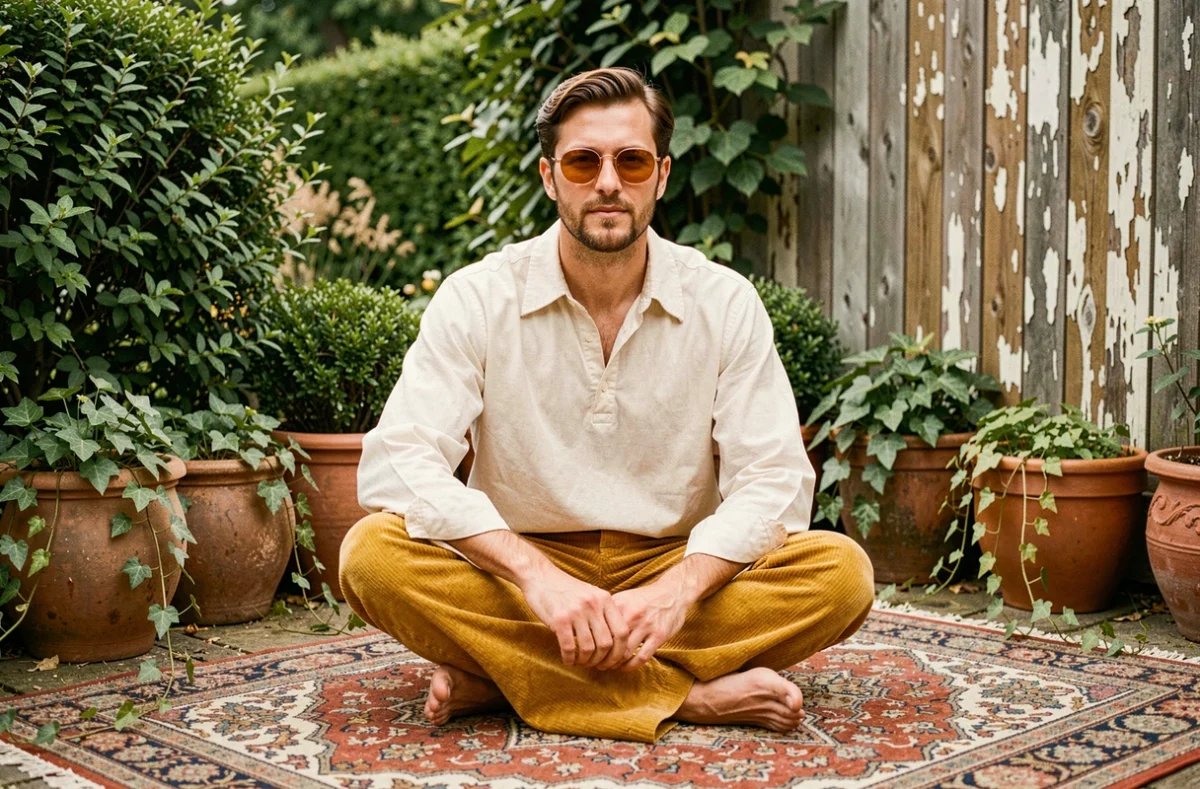
- Oversized or tinted sunglasses remain the most accessible accessory to evoke the seventies without heavy wardrobe commitment
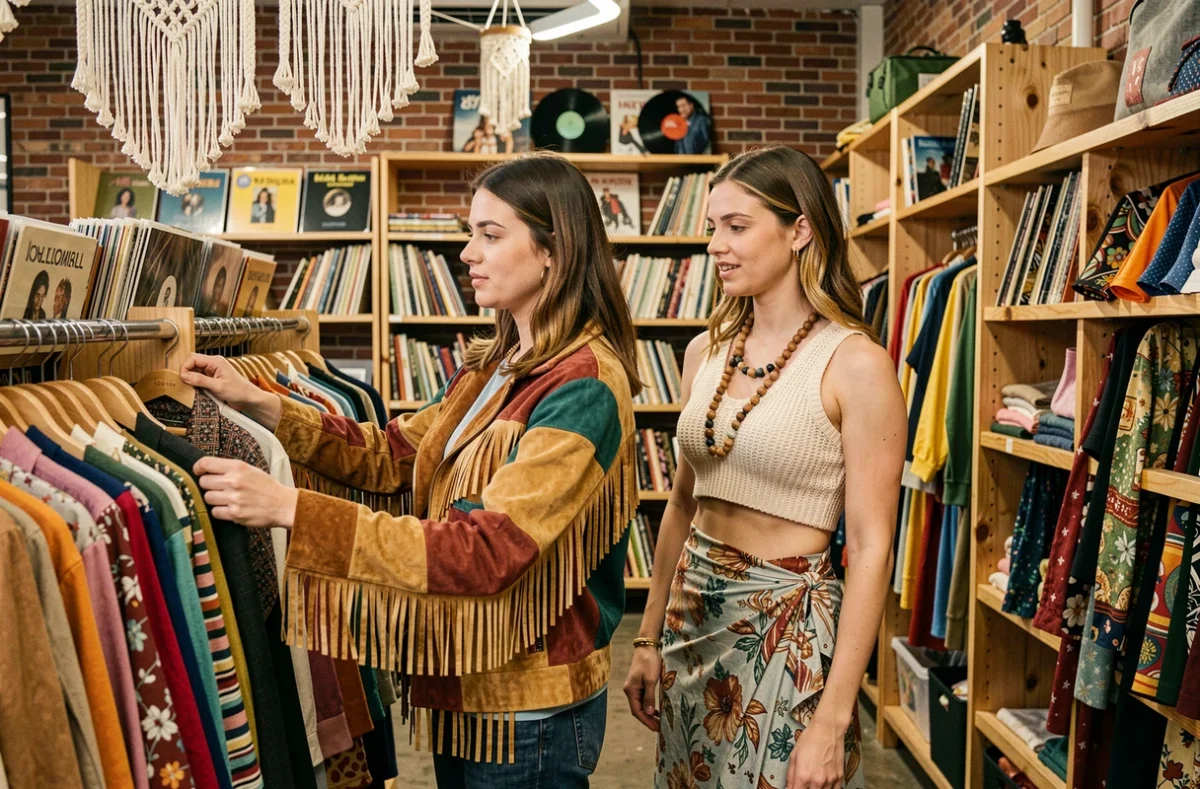
- Fringed suede bags serve as a discreet hippie marker, especially in neutral colors
- Wide belts worn over flowing dresses create a typically 70s silhouette while remaining versatile
Pieces to prioritize by season
In spring, flowing long dresses with floral prints or maxi skirts in lightweight cotton naturally carry the trend. In autumn-winter 2026, it will be boots, suede, and earthy tones that take over.
Designers who have presented seventies-inspired collections for this season share the same reflex: mixing eras. A 70s coat with current sneakers, a bohemian skirt with a minimalist turtleneck. This deliberate mix prevents a total retro look and anchors the outfit in the present.
The hippie style of the 70s returns in 2026 with a dual constraint that its previous resurgences did not experience: the sophistication imposed by the runways and the transparency required by European regulation. This combination could, in the long run, filter brands that exploit the seventies aesthetic from those that also adopt its principles.