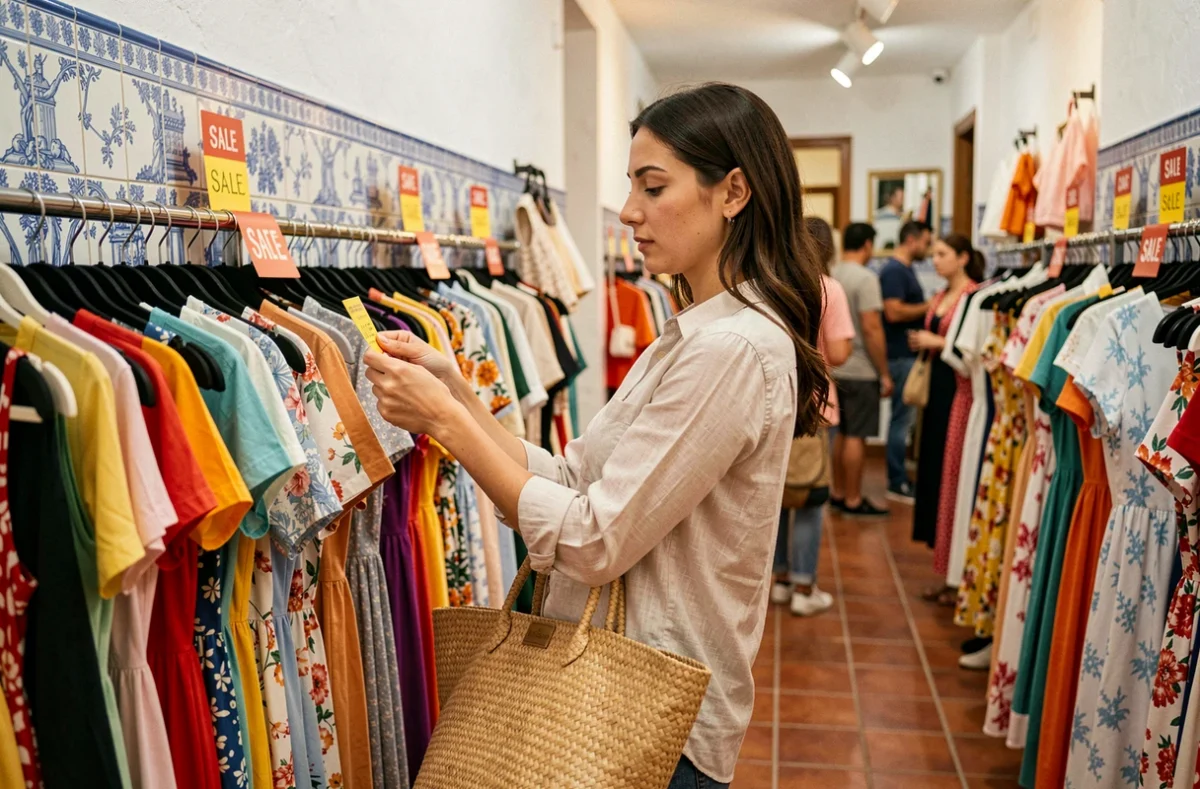
Sales in Spain do not work the same way as in France. The dates, VAT refund rules, and commercial practices differ enough to turn a good deal into a bad surprise. Understanding these differences before you go can prevent concrete disappointments, from tax refund refusals to non-refundable impulse purchases.
Tax Refund in Spain: What Tourists Misunderstand
Have you ever seen those “Tax Free” signs in shop windows and thought that the VAT refund was automatic? The mechanism is more restrictive than it seems.
The first point to remember: the tax refund depends on the place of residence, not nationality. A French citizen living outside the European Union can benefit from it. A non-European resident in the EU generally cannot. This criterion surprises many travelers who present themselves at customs with their passport without checking their eligibility.
The second common trap: believing that the tax refund reimburses the entire VAT. The price displayed in the store already includes VAT. The tax refund operator retains service fees from the refunded amount. The actual refund is therefore lower than the displayed VAT rate. Relying on a full discount to justify an expensive purchase leads to a disappointing figure on the bank statement.
As detailed in the sales in Spain on La Petite Emma, certain mistakes consistently recur among French-speaking buyers who are not familiar with the Spanish system.
DIVA Procedure and Customs Validation: Steps Not to Miss
The tax refund is not settled upon return, quietly at home. It follows a precise path that starts in the store and ends at the border.
- At the time of purchase, the merchant issues an electronic refund document (DER). Without this document, no refund is possible, even with the receipt.
- Validation takes place at the last exit point of the European Union, not at the Spanish border if you are transiting through another member country. A flight with a stopover in Portugal requires validating the DER in Portugal, not in Madrid.
- The system used is called DIVA. You need to present the goods, the DER, and the supporting documents. DIVA electronic kiosks are located in airports and major border posts.
Missing any of these steps makes the refund impossible. The most common case: forgetting to request the DER in the store, then realizing at the airport that the receipt alone is not enough.
Tourist Services and Sales: What Does Not Entitle You to a Tax Refund
A common confusion among tourists spending a lot during a stay in Spain is thinking that all expenses qualify for a VAT refund.
Hotels, restaurants, transportation, and activity tickets are excluded from the scheme. The tax refund only applies to physical goods that you take in your personal luggage outside the EU. A gourmet dinner in Barcelona or a night in a hotel in Seville, no matter how expensive, do not entitle you to anything.
During sales, this distinction matters even more. Tourists multiply purchases (clothing, accessories, electronics) and service expenses (restaurants, excursions). Only the former can enter the tax refund procedure. Mixing the two in your budget calculation completely skews the estimation of actual savings.
Spanish Sales and Consumer Rights: Differences from France
Sales periods in Spain do not follow the same calendar as in France. Dates vary by autonomous communities, which have some latitude in setting the start and duration of promotions. This decentralized operation surprises buyers used to uniform national dates.
Another notable difference: return and exchange conditions vary from store to store. In Spain, there is no legal obligation for merchants to accept returns on discounted items purchased in physical stores, except for product defects. This rule also exists in France, but French retailers often offer more flexible commercial policies out of habit.
Before paying, check the store’s return policy. Some Spanish retailers accept exchanges but refuse refunds. Others accept neither on discounted items. Asking about the conditions before purchase is the only reliable protection.
Payment and Bank Fees: The Hidden Costs of Shopping in Spain
Spain uses the euro, which avoids currency exchange fees for residents of the eurozone. For tourists coming from non-eurozone countries, the issue of bank fees deserves attention.
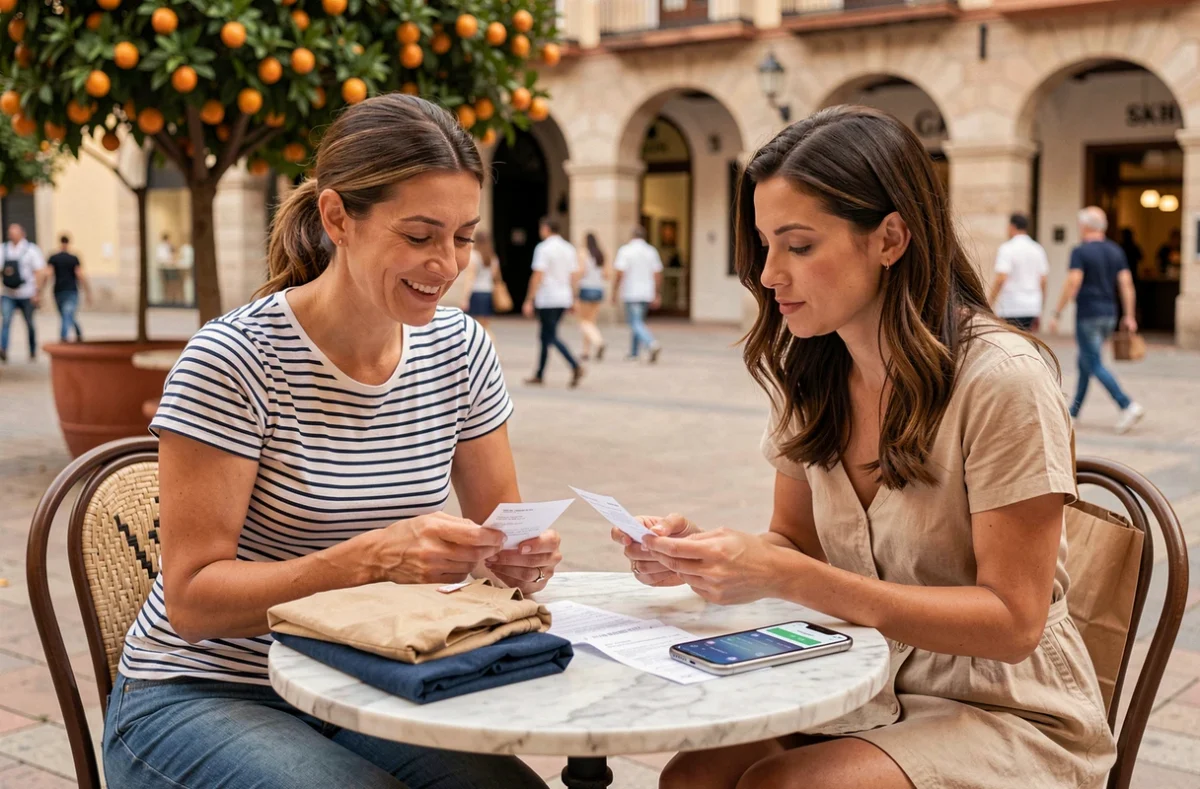
Payment terminals sometimes offer dynamic currency conversion (DCC). The terminal displays the amount in the currency of the card’s country of origin, with an unfavorable exchange rate. Refusing the conversion and paying in euros reduces fees.
- Check your card’s foreign payment limits before departure.
- Prefer payment in euros, even if the terminal offers your local currency.
- Keep all receipts to facilitate any potential claims or tax refund procedures.
Withdrawals from ATMs can also incur fees, applied both by your bank and by the Spanish bank that owns the ATM. Withdrawing larger amounts less frequently limits these cumulative fees.
Taking advantage of sales in Spain remains a real opportunity, provided you distinguish between tax-refund eligible goods and services, follow the DIVA procedure to the letter, and check return conditions store by store. Savings are calculated after fees, not before.