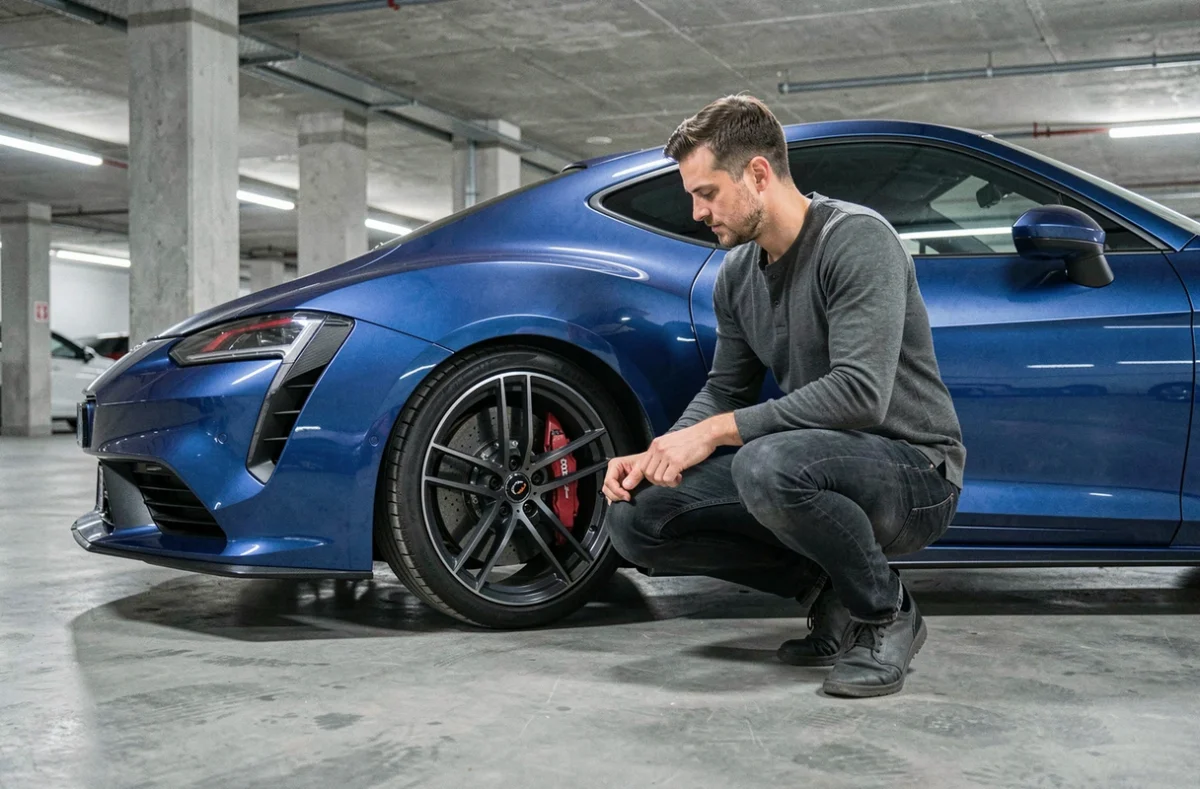
The automotive market in 2024 is not just a race between powertrains. Several recent regulations are changing the way car enthusiasts buy, modify, and maintain their vehicles. Expanded technical inspections, stricter low-emission zones, and approval procedures for modifications: these constraints are reshaping practices far beyond the simple choice of a model.
Technical Inspection of Electric Cars: Unknown Checkpoints
The technical inspection of an electric vehicle is not limited to brakes and lighting. It focuses on elements specific to the powertrain: charging plug and cable, high-voltage connectors, under-vehicle protections, and active safety devices during charging.
The concrete trap: not all technical inspection centers are necessarily authorized to examine these points. Before making an appointment, checking that the center has the appropriate equipment and training avoids unnecessary travel or, worse, an incomplete inspection.
Enthusiasts who follow cars on Otopassion will regularly find updates on these practical aspects related to the maintenance of electric and thermal vehicles.
Collection Registration and Low-Emission Zones: A False Sense of Freedom
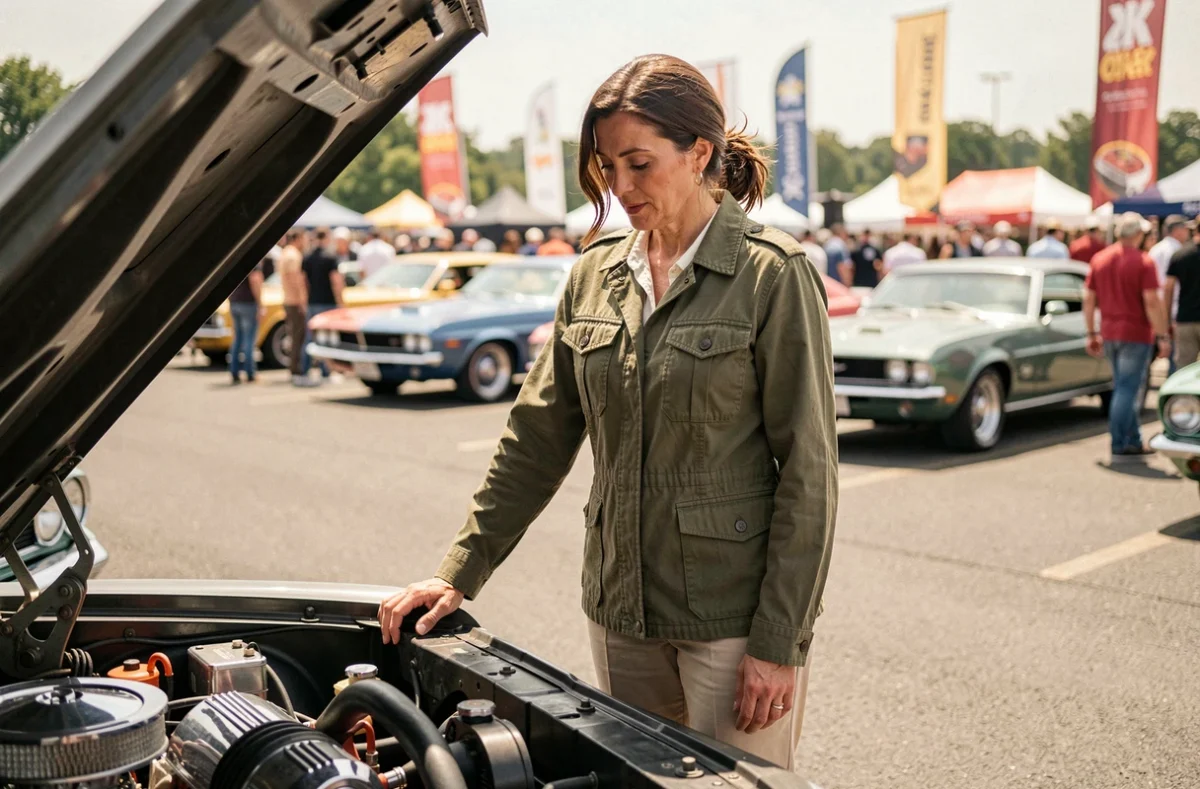
The collection registration offers a frequently cited advantage: the technical inspection frequency is extended to five years instead of two. For an owner of a vintage vehicle, this is a real administrative relief.
The common mistake is to believe that this registration also guarantees access to low-emission zones. Traffic rules in low-emission zones are set locally. Some metropolitan areas grant exemptions for collection vehicles, while others do not.
Before investing in a vintage car intended for regular use in the city, it is essential to consult the regulations of the relevant metropolitan area. A beautifully restored collection vehicle may find itself banned from circulation in its own neighborhood.
Checks Before Buying a Vintage Vehicle
- Consult the website of the targeted metropolitan area to know the current low-emission zone exemptions, as they vary from city to city and change each year
- Check if the vehicle meets the eligibility criteria for collection registration (age, original condition or compliant with the era)
- Anticipate the costs of technical inspection specific to vintage vehicles, which can sometimes be more expensive due to additional checkpoints
Car Modification and Isolated Approval: What the Law Requires
Modifying the aesthetics or mechanics of a car is part of car culture. Changing the exhaust, adding a body kit, replacing the engine: these interventions appeal to tuning and customization enthusiasts.
A transformation affecting homologation characteristics may trigger an isolated approval procedure. This process, regulated by the DREAL (Regional Directorate for the Environment, Planning and Housing), aims to verify that the modified vehicle remains compliant with safety standards.

The modifications concerned include certain structural elements, the braking system, vehicle dimensions, or the type of powertrain. A simple aesthetic modification like a color change only requires an update of the registration, but deeper interventions necessitate this formal procedure.
Points to Clarify Before Any Modification
- Identify if the modification affects an element that was part of the original homologation of the vehicle
- Contact the DREAL in your region to know the documents to provide and the processing times
- Plan for the cost of the procedure and any potential visit to a certified engineer, in addition to the cost of the modification itself
Driving a modified vehicle without having completed this procedure exposes the driver to having the vehicle immobilized during a roadside check. Homologation protects both the driver and the resale value of the vehicle.
Technical Inspection of Two-Wheelers: A New Requirement That Also Affects Car Enthusiasts
Effective from April 2024, the technical inspection of motorized two-wheelers will gradually cover motorcycles, scooters, mopeds, tricycles, and quadricycles. The implementation schedule depends on the year of first registration of the vehicle.
For enthusiasts who own both a car and a motorcycle, this new obligation adds to the existing maintenance schedule. It introduces an additional budgetary and logistical constraint to plan for.
This inspection follows a similar logic to that of cars: checking safety components, noise levels, and pollutant emissions. Owners of vintage or modified two-wheelers will need to pay particular attention to non-homologated exhausts, which are often a source of re-inspection.
Used Electric and Hybrid Market: Caution on Batteries
The purchase of a used electric or hybrid vehicle is attracting more and more price-sensitive buyers. The condition of the battery remains the determining criterion for assessing the actual value of the vehicle.
The residual capacity of the battery, expressed as a percentage of its original capacity (known as “State of Health”), determines the effective range. A vehicle advertised at an attractive price may hide a degraded battery whose replacement costs a significant portion of the vehicle’s value.
Requesting a battery diagnostic before purchase, conducted by a professional equipped with suitable reading tools, helps avoid an unpleasant surprise. Some manufacturers also offer a specific warranty on the battery, transferable to the second owner under certain conditions.
The automotive sector in 2024 requires enthusiasts to maintain active regulatory vigilance. Between low-emission zones redefining urban access, homologation procedures for modified vehicles, and the specifics of electric technical inspections, every purchasing or modification decision benefits from an administrative check beforehand. The mechanical passion remains intact, but it is now exercised within a more technical framework than before.