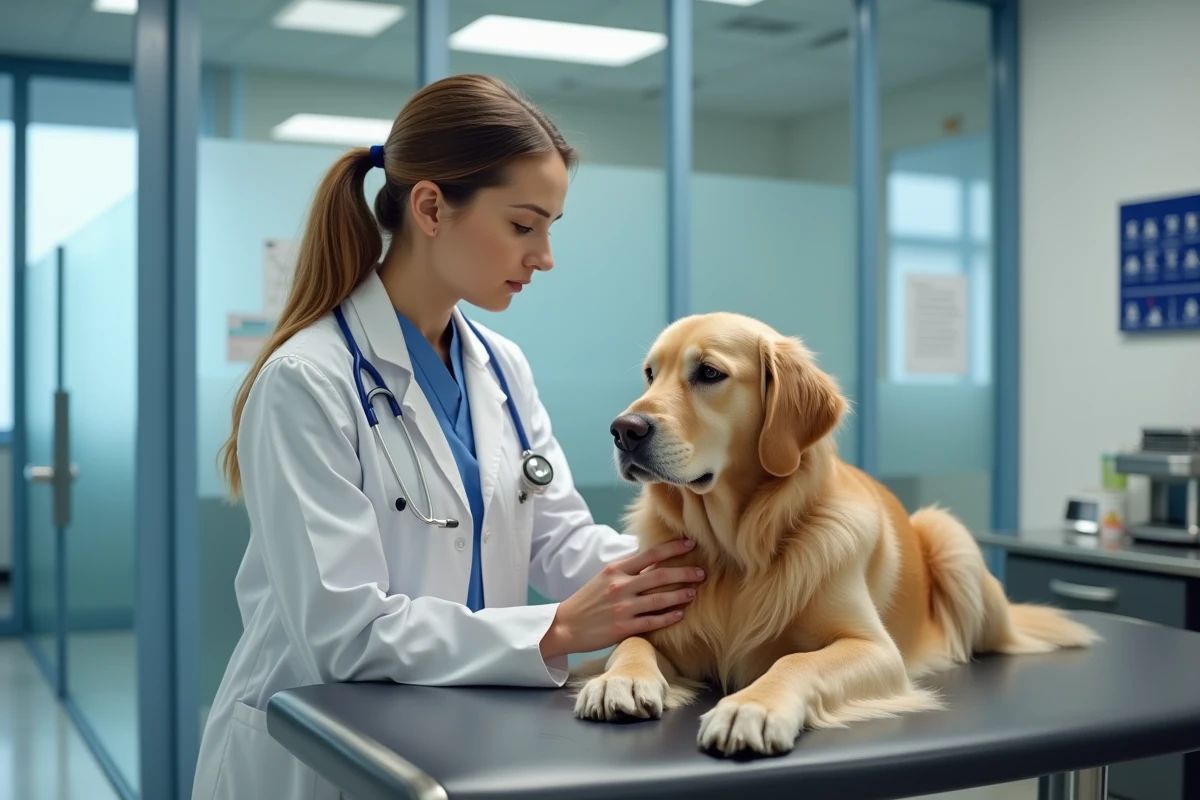
Genetic sequencing, once reserved for human research, is now applied to the early detection of diseases in domestic animals. Artificial intelligence, previously limited to industrial data analysis, is now involved in the interpretation of veterinary X-rays.
Connected monitoring devices, initially developed for athletes, allow veterinarians to continuously track the vital parameters of their four-legged patients. These tools profoundly change practices, offering new perspectives for the prevention, diagnosis, and treatment of animal pathologies.
Why veterinary health is experiencing a silent revolution
Veterinary medicine is undergoing a transformation that disrupts established standards. Now, connected objects, artificial intelligence, telemedicine, biomarkers, and robotics are becoming part of the daily routine in clinics and farms. Veterinarians, supported by experienced ASVs, juggle between smart sensors and data platforms to monitor, diagnose, and prevent with unprecedented efficiency. Medical imaging, MRI, CT scans, digital X-rays, pushes the limits of precision while easing the care journey for animals.
Connected objects act as sentinels: temperature, heart rate, activity, or feeding, everything is monitored closely. This ultra-precise tracking allows for earlier interventions, personalized feeding, and adjustments to the environment to optimize animal welfare. Artificial intelligence automates analysis, detects weak signals, and instantly alerts in case of anomalies. In terms of telemedicine, remote consultations and post-operative follow-ups become accessible, eliminating distances and ensuring continuity of care, even far from the clinic.
Animal health is now part of the One Health dynamic, linking human, animal, and environmental health to better monitor zoonoses and preserve biodiversity. Veterinarians and assistants participate in this innovation movement where each progress reflects on collective health. To explore these changes and discover concrete resources, visit veterinary health innovations on Ado PCJE, a resource that bridges scientific advancements and practical advice for animal life.
What innovations are concretely transforming animal care today?
Advances in animal health are manifested every day on the ground, thanks to a new generation of digital and biotechnological tools. Here are some now essential technologies:
- Connected objects: collars, sensors, rumen boluses, smart scales. They collect real-time data on temperature, heart rate, activity, feeding behaviors, or GPS location.
This continuous monitoring system allows for quicker responses to illness, better management of feeding, reproduction, or daily comfort of animals.
Smart cameras integrated into systems like BeBoP (Institute of Livestock, INRAE, NeoTec-Vision) and AI analyze herd behaviors: heats, calvings, health issues. The automatic alert triggered in case of anomalies accelerates care. Medically, AI also facilitates the interpretation of images (MRI, CT scans, digital X-rays), making diagnoses and follow-ups more reliable.
- Veterinary telemedicine: remote consultations, telemonitoring, tele-expertise. It removes geographical constraints and ensures enhanced follow-up after interventions.
- Automated analyzers: provide rapid results, limit errors, and ensure data security via the cloud.
- Biomarkers: identify pathologies early and monitor recurring diseases.
- Regenerative medicine and gene therapy: pave the way for tissue repair and treatment of hereditary diseases, with unprecedented prospects.
- Robotic surgery: ensures safer procedures, less invasive interventions, and faster recovery.
This abundance of innovations outlines a veterinary medicine that is more predictive, personalized, and collaborative. Data, far from being just a number, becomes an ally in care, serving the health and well-being of the animal at every stage of its life.
Technological advancements for animal welfare: what visible benefits?
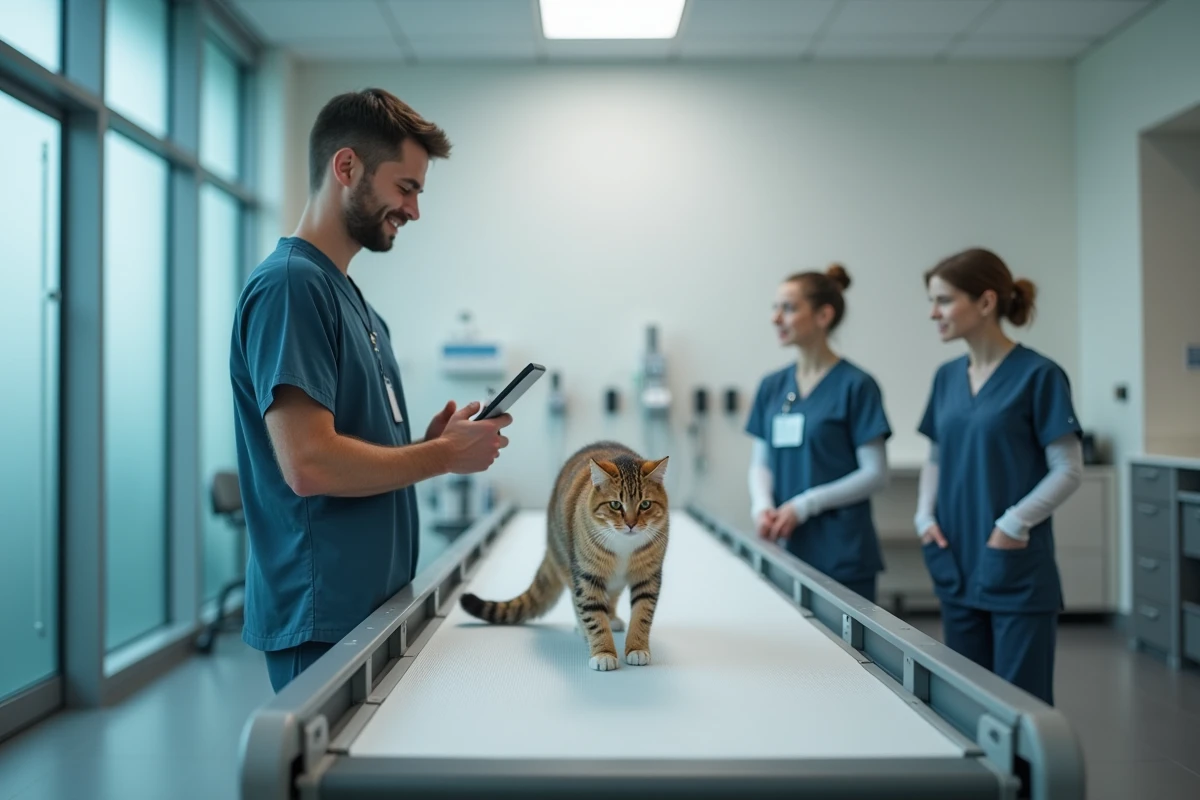
The assessment of animal welfare takes on a whole new dimension thanks to the rise of connected technologies and data platforms, both in farms and homes. Smart collars, sensors placed on the animal, connected litter boxes: monitoring becomes permanent, with objective and reliable measurements. Temperature, heart rate, activity, or feeding are closely monitored, providing a clear view of health status.
This information, analyzed via mobile applications, allows for alerting the pet owner or breeder well before symptoms appear. Disorders are detected earlier, suffering from silent diseases is reduced, and feeding or environmental adjustments are made more precisely for a genuinely improved quality of life.
Here’s how these tools manifest concretely in daily life:
- For pets, monitoring behavior and sleep has never been so precise and automated.
- In farms, herd management is refined: detection of heats, anticipation of calvings, monitoring of feeding habits.
- Objective indicators foster renewed dialogue between veterinarians, breeders, and owners, benefiting everyone.
Veterinary public health also benefits from this revolution. Automated monitoring of herds and rapid alerts in case of health issues strengthen collective prevention. These are all levers to protect animal and human health, in a One Health dynamic where each data enriches our understanding of life and the connections that bind us to it. A future where technology does not replace the caregiver’s gaze but extends it, so that every animal benefits from both expert and personalized attention.